
Replacing a missing tooth is an important decision that can affect your ability to chew, speak, and maintain a healthy smile. Dental Implant Treatment is one option worth considering because it replaces the tooth root with a small implant post that supports a custom restoration. However, not every patient is automatically a suitable candidate.
Before choosing an implant, it helps to understand the treatment process, recovery expectations, potential benefits, and other tooth replacement options. Knowing what to expect can help you have a more informed conversation with your dentist and decide which approach fits your oral health needs.
What Is Dental Implant Treatment?
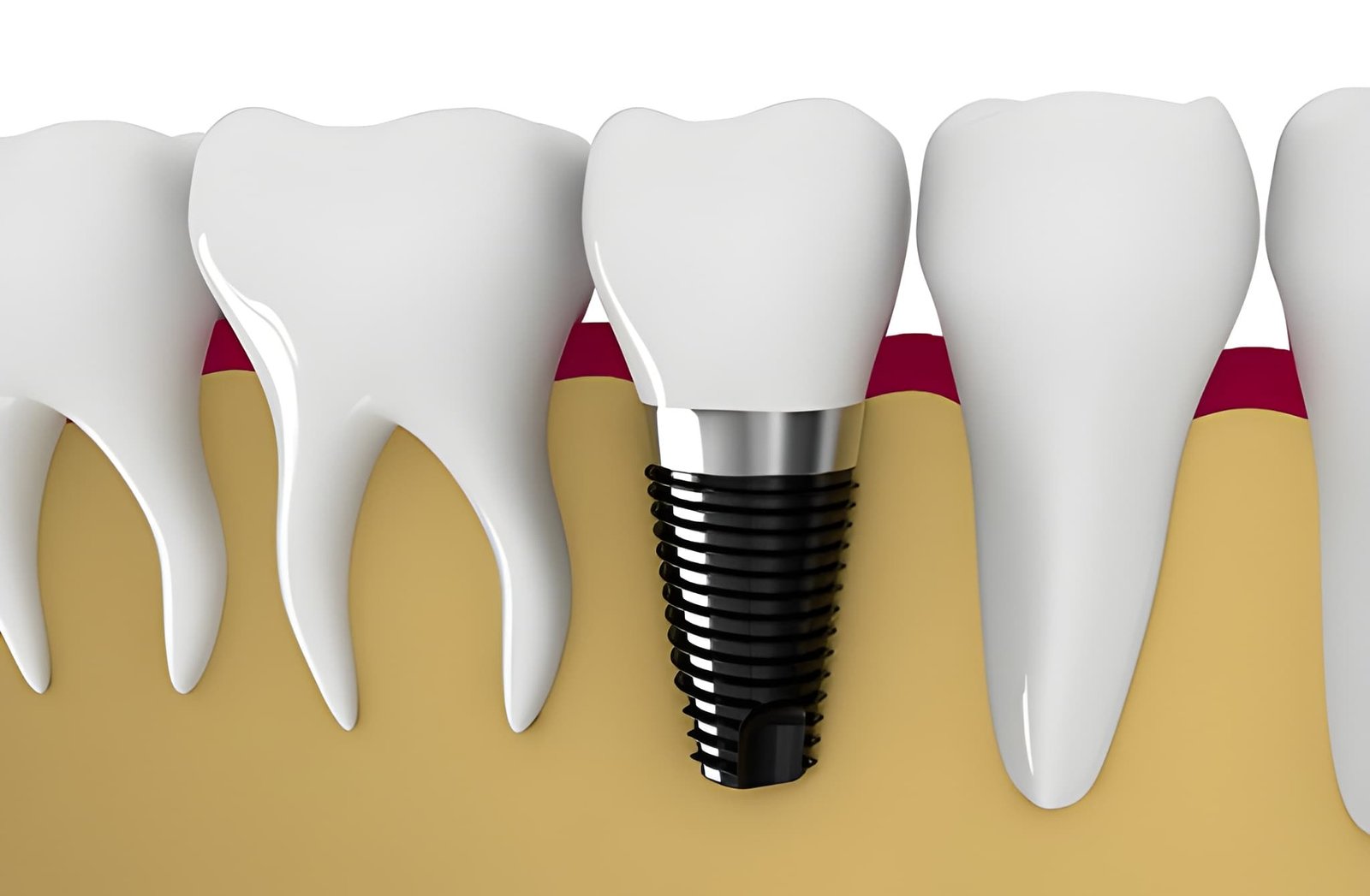
Dental Implant Treatment involves placing a small, biocompatible post, usually made of titanium, into the jawbone to replace the root of a missing tooth. Over time, the implant can bond with the surrounding bone through a process called osseointegration. According to the FDA’s guidance on dental implants, patients should discuss implant benefits, potential risks, and healing expectations with their dental provider
Once healing is complete, a connector and dental crown are attached to restore the visible portion of the tooth.
A dental implant typically consists of three components:
- Implant post: A small post placed in the jawbone to act as an artificial tooth root.
- Abutment: A connector that attaches the implant post to the restoration.
- Dental crown: A custom-made replacement tooth designed to resemble a natural tooth.
Unlike removable dentures, an implant-supported crown is fixed in place and does not rely on neighboring teeth for support.
Who Is a Good Candidate for Dental Implants?
Dental implants may be suitable for adults who have one or more missing teeth and want a fixed replacement. However, a dental evaluation is necessary before treatment.
Several factors influence candidacy:
- Healthy gums: Gum disease should be evaluated and treated before implant placement.
- Adequate jawbone: Sufficient bone volume is important for supporting the implant. Some patients may need bone grafting.
- Overall health: Certain medical conditions and medications can affect healing and treatment planning.
- Oral hygiene habits: Consistent brushing, flossing, and dental visits help maintain implant health.
- Lifestyle factors: Smoking can interfere with healing and increase the risk of implant complications.
An Aventura Dentist can assess your oral health, review your dental history, and determine whether implants are an appropriate option.
What Are the Tooth Replacement Options Available?
Dental implants are not the only way to replace missing teeth. The right choice depends on the number of missing teeth, jawbone condition, surrounding teeth, budget, and personal preferences.
| Tooth Replacement Option | How It Works |
| Dental Implants | A post is placed in the jawbone and supports a crown or other restoration |
| Dental Bridges | Artificial teeth are supported by neighboring natural teeth or implants |
| Partial Dentures | Removable appliances replace one or more missing teeth |
| Complete Dentures | Removable appliances replace all teeth in an upper or lower arch |
Each option has different advantages and limitations. Dental implants offer fixed support without requiring adjacent natural teeth to serve as anchors, while bridges and dentures may be appropriate depending on individual circumstances.
A dental consultation can help you compare these tooth replacement options.
What Happens During the Dental Implant Procedure?
Dental implant treatment usually involves several stages rather than a single appointment.
1. Initial Examination
The dentist evaluates your gums, remaining teeth, and jawbone. Digital X-rays or 3D imaging may be recommended to assess the implant site.
2. Implant Placement
The implant post is surgically positioned in the jawbone. Local anesthesia is commonly used to help manage discomfort during the procedure.
3. Healing and Osseointegration
The implant needs time to integrate with the surrounding bone. This process may take several months, depending on individual healing and treatment complexity.
4. Crown Placement
After adequate healing, the abutment and custom dental crown are attached to complete the restoration.
The exact timeline varies based on bone quality, healing, and whether additional procedures are necessary.
What Are the Benefits and Risks of Dental Implants?
Dental implants offer several potential benefits when planned and maintained properly:
- Natural appearance: Custom crowns are designed to complement your existing teeth.
- Stable support: Implants are anchored in the jawbone, helping keep replacement teeth in place.
- Jawbone support: Implant placement can help reduce bone loss associated with missing tooth roots.
- Improved chewing: A properly restored implant can help restore comfortable chewing function.
- No reliance on adjacent teeth: A single implant-supported crown generally does not require reshaping neighboring teeth.
However, implants also involve surgical risks. These may include infection, swelling, bleeding, nerve irritation, sinus complications, or failure to integrate with the jawbone. Discussing these possibilities with your dental provider is an important part of informed treatment planning.
How Can You Maintain Your Dental Implant After Treatment?
Long-term implant care requires consistent oral hygiene and professional monitoring. Although the implant itself cannot develop tooth decay, the surrounding gum tissue can become inflamed or infected.
Follow these habits:
- Brush twice daily using a soft-bristled toothbrush.
- Clean between your teeth and around the implant every day.
- Attend routine dental checkups and professional cleanings.
- Avoid smoking, which can interfere with healing.
- Contact your dentist if you notice persistent discomfort, swelling, or implant movement.
Good maintenance helps protect the surrounding tissues and supports the long-term health of your restoration.
Conclusion
Replacing a missing tooth involves more than restoring the appearance of your smile. It also means considering chewing function, jawbone health, long-term maintenance, and overall oral health. Dental Implant Treatment can be a suitable option for many patients, but a personalized evaluation is essential before making a decision.
If you are considering tooth replacement options, schedule a consultation with Sher Dental. Speak with the dental team to discuss your needs, evaluate your candidacy, and understand the treatment options available.
Call Sher Dental at 305-456-5800 to schedule your appointment.