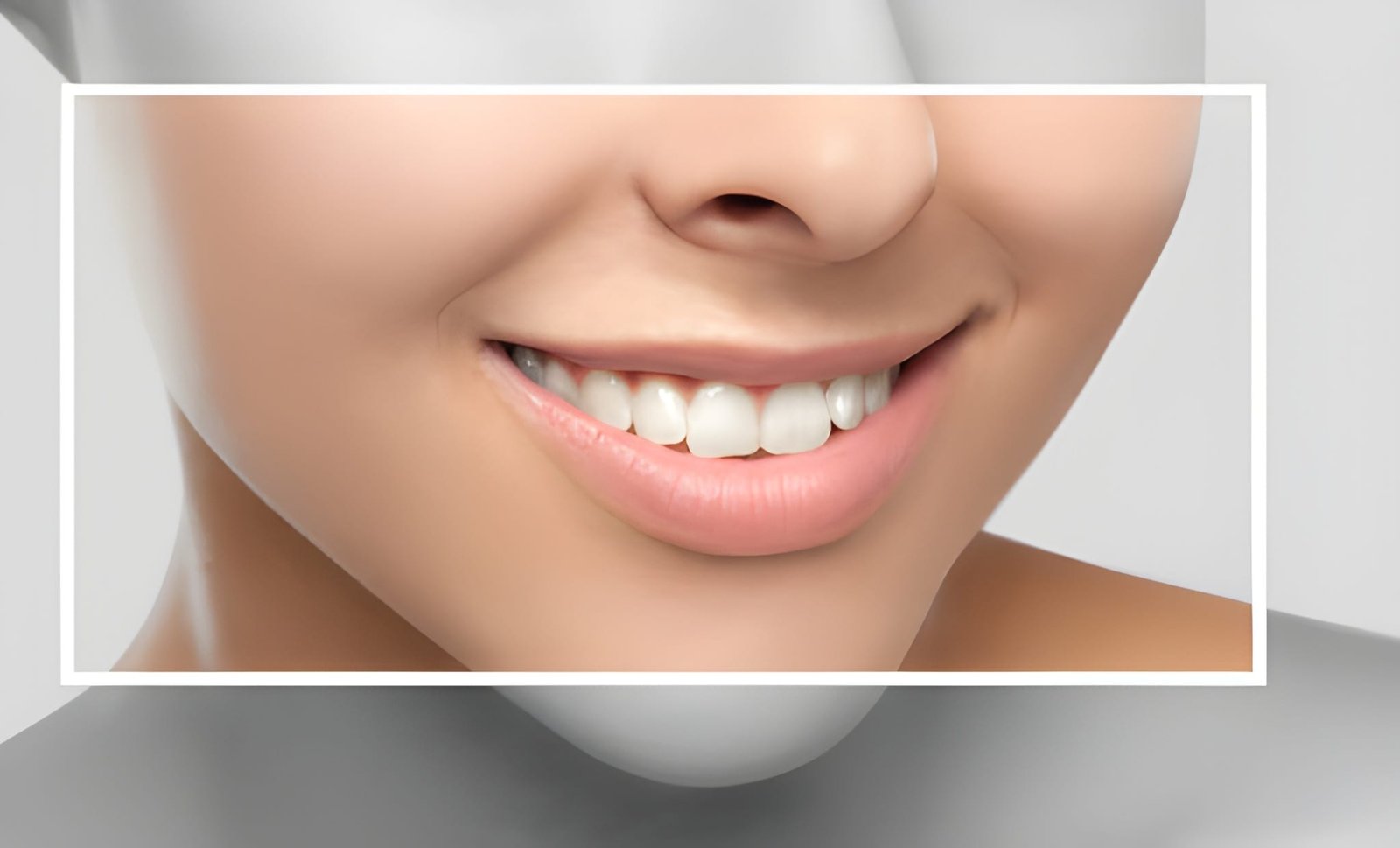
Cosmetic dental treatment can improve the appearance of your teeth, but maintaining those results requires consistent care. Whether you have received professional teeth whitening, dental veneers, cosmetic bonding, or another smile enhancement procedure, your daily oral hygiene habits play an important role in protecting your investment.
Following proper Cosmetic Dentistry Aftercare can help maintain the appearance of your smile, protect your natural teeth, and reduce the risk of damage to dental restorations. If you recently completed cosmetic treatment, understanding what to do at home and when to visit your dentist can make a difference in your long-term oral health.
Why Is Cosmetic Dentistry Aftercare Important?
Cosmetic dental procedures improve the appearance of your smile, but they do not eliminate the need for regular dental care. Natural teeth can still develop cavities, gums can become inflamed, and restorations such as veneers and bonding can chip or wear over time.
Proper aftercare helps you:
- Maintain the appearance of your cosmetic results.
- Reduce plaque buildup around teeth and restorations.
- Protect natural tooth enamel and gum health.
- Minimize staining from certain foods and beverages.
- Identify potential problems before they become more complicated.
The type of maintenance required depends on the procedure you received. Your dentist can provide recommendations based on the materials used and your individual oral health needs.
What Daily Habits Help Maintain Cosmetic Dental Results?
A consistent oral hygiene routine is one of the most effective ways to protect your smile after cosmetic treatment.
1. Brush Gently With the Right Toothpaste
Brush twice daily using a soft-bristled toothbrush and fluoride toothpaste. Avoid aggressive brushing because excessive pressure can irritate your gums and contribute to enamel wear.
If you have veneers or cosmetic bonding, ask your dentist which toothpaste is appropriate. Some highly abrasive whitening products may affect certain restorative materials.
2. Clean Between Your Teeth Every Day
Flossing removes plaque and food particles from areas your toothbrush cannot easily reach. Pay attention to the spaces around veneers, crowns, and bonded teeth.
You can also ask your dentist whether an interdental cleaner or water flosser would be useful for your oral hygiene routine.
3. Limit Foods and Drinks That Cause Staining
Coffee, tea, red wine, dark-colored sauces, and tobacco can contribute to tooth discoloration. Natural teeth may stain even when cosmetic restorations are present. The American Dental Association’s teeth whitening guidelines explain that whitening treatments affect natural teeth but do not change the color of tooth-colored restorations.
Consider these habits:
- Drink water after consuming dark beverages.
- Avoid frequent exposure to highly pigmented drinks.
- Rinse your mouth with water after meals when brushing is not possible.
- Follow your dentist’s specific dietary instructions after treatment.
Keep in mind that whitening products affect natural teeth but do not change the color of veneers, crowns, or other restorations.
How Can You Protect Veneers, Bonding, and Other Restorations?
Cosmetic restorations are designed to improve your smile, but they are not indestructible. Certain habits can place unnecessary pressure on them.
Avoid:
- Chewing ice or hard candies.
- Biting fingernails or pens.
- Using your teeth to open packaging.
- Biting directly into particularly hard foods with restored front teeth.
- Using your teeth as tools.
If you grind or clench your teeth, ask your dentist about a custom night guard. This appliance may help reduce excessive pressure on veneers and other restorations.
The American Dental Association also recommends avoiding hard objects and maintaining daily oral hygiene to protect veneers.
Why Should You Schedule Regular Dental Checkups?
Routine dental visits help your dentist monitor the condition of your natural teeth, gums, and cosmetic restorations.
During these appointments, your dentist may:
- Check for cavities and gum inflammation.
- Examine veneers, crowns, and bonding for damage.
- Remove plaque and hardened tartar.
- Evaluate your bite and restoration fit.
- Recommend polishing or maintenance when appropriate.
A Fort Lauderdale Dentist can also help you identify changes in your cosmetic results and recommend care based on your treatment history.
If you experience persistent sensitivity, discomfort, a chipped restoration, or changes in your bite, contact your dental office rather than waiting for your next routine appointment.
Does Aftercare Differ Depending on the Cosmetic Procedure?
Yes. Different cosmetic treatments require different maintenance approaches.
| Cosmetic Treatment | Important Aftercare |
| Teeth Whitening | Follow sensitivity instructions and limit staining habits |
| Porcelain Veneers | Avoid hard biting and maintain careful oral hygiene |
| Cosmetic Bonding | Avoid biting hard objects and monitor for chips or wear |
| Dental Crowns | Brush, floss, and monitor the surrounding gum tissue |
For example, temporary sensitivity can occur after teeth whitening, while veneers and bonding require protection against excessive biting pressure. Always follow the instructions provided by your dental professional.
Conclusion
Maintaining a healthy smile after cosmetic dental treatment requires more than simply brushing your teeth. Daily oral hygiene, mindful eating habits, protection against excessive biting pressure, and regular dental visits all contribute to maintaining your results.
If you have questions about Cosmetic Dentistry Aftercare or need guidance on maintaining your smile, schedule an appointment with Sher Dental. Call 954-488-3636 to discuss your dental care needs and arrange a visit with the dental team.