
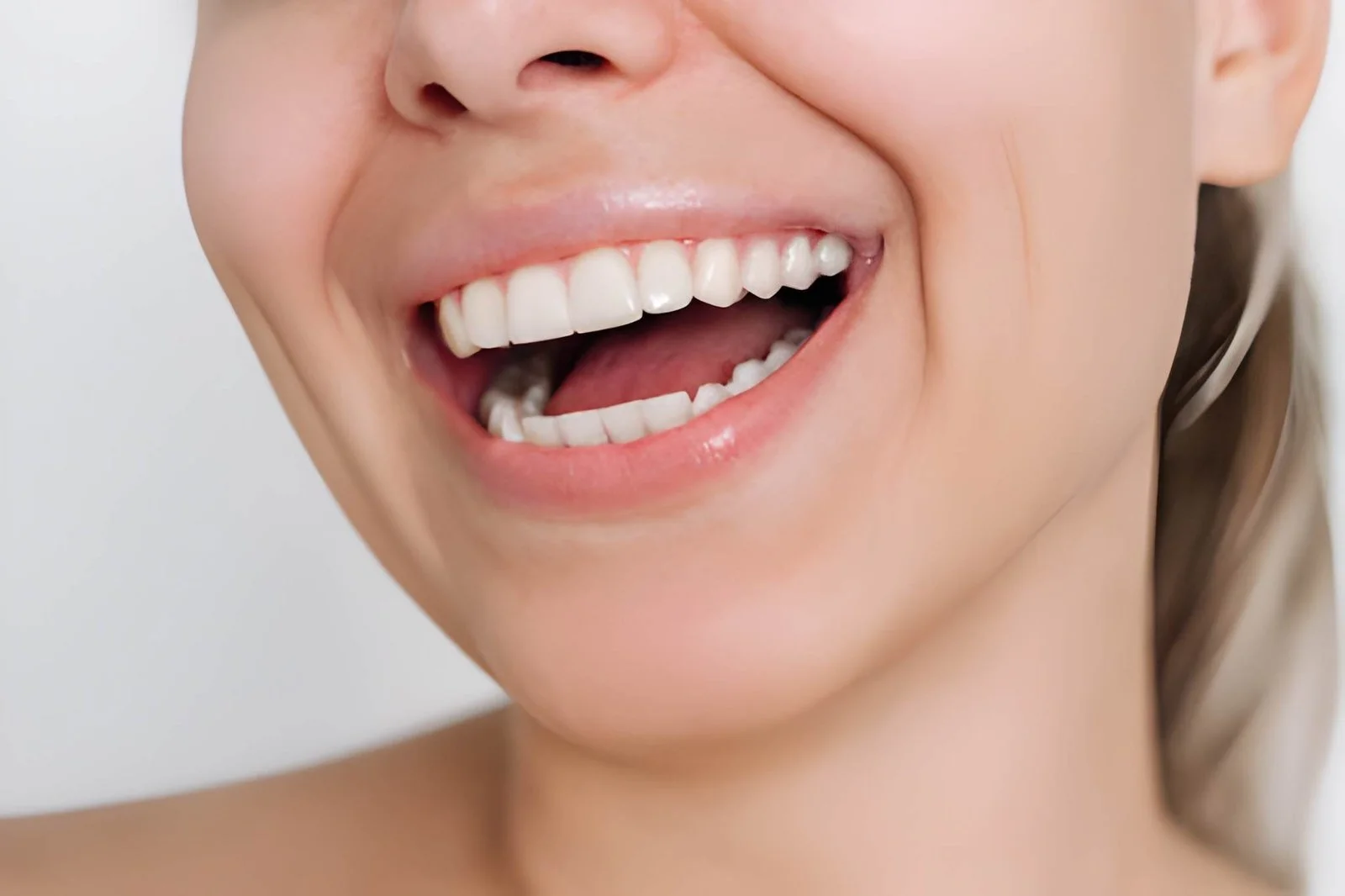
Dental veneers are designed to improve the appearance of teeth by addressing concerns such as discoloration, chips, uneven edges, and minor shape irregularities. Although veneers are durable, maintaining their appearance requires consistent oral hygiene and regular dental checkups. Proper care can help protect the surrounding teeth and gums while keeping the veneers looking their best.
Patients considering Veneers in North Miami should understand that veneer care is not limited to occasional dental visits. Daily brushing, flossing, mindful eating habits, and professional evaluations all contribute to maintaining their condition over time.
How Often Should You Care for Dental Veneers?
Dental veneers require daily attention, just like natural teeth. Brushing twice a day with a soft-bristled toothbrush and fluoride toothpaste helps remove plaque and maintain oral hygiene. Flossing once a day is also important because plaque can accumulate around the edges of veneers and between teeth.
In addition to daily care, patients should generally schedule dental checkups every six months, although the recommended frequency may vary depending on their oral health and individual needs. During these visits, the dentist can examine the veneers, check the surrounding gums, and identify any early signs of damage or wear.
1. Brush Twice Daily with the Right Technique
Brushing regularly helps prevent plaque buildup and supports the health of the natural teeth beneath and around veneers. However, using excessive pressure or an abrasive toothpaste may gradually affect the veneer surface or surrounding gum tissue.
For effective daily cleaning:
- Use a soft-bristled toothbrush.
- Choose a non-abrasive fluoride toothpaste.
- Brush gently for approximately two minutes.
- Clean along the gumline without applying excessive pressure.
- Replace your toothbrush when the bristles become worn.
A gentle brushing routine helps maintain oral hygiene without placing unnecessary stress on dental restorations.
2. Floss Daily to Protect the Surrounding Teeth and Gums
Flossing is an important part of Dental Veneer Aftercare because it helps remove food particles and plaque from areas a toothbrush may not reach. Although veneers cover the front surfaces of teeth, the spaces between teeth and the gumline still require regular cleaning.
The ADA’s recommendations for caring for dental veneers emphasize brushing twice daily with fluoride toothpaste, cleaning between teeth daily, and avoiding hard objects that could damage veneers.
Use dental floss carefully and avoid snapping it against the gums. Patients who find traditional floss difficult to use can ask their dentist about suitable alternatives, such as interdental brushes or water flossers.
Consistent cleaning between teeth helps support gum health and reduces the risk of problems around veneer margins.
3. Schedule Professional Dental Checkups Every Six Months
Regular dental appointments allow the dentist to monitor the condition of veneers and the health of the surrounding teeth and gums. During a routine examination, the dental team may check for cracks, loose restorations, gum irritation, plaque accumulation, and changes in the bite.
Professional cleaning also helps remove buildup that daily brushing and flossing may not fully eliminate. However, cleaning methods should be appropriate for the type of restoration.
Patients with gum concerns, a history of dental problems, or signs of veneer damage may need more frequent visits. A personalized schedule can help ensure that potential issues are identified early.
4. Avoid Habits That Can Damage Veneers
Although dental veneers are designed to withstand normal biting and chewing, certain habits can increase the risk of chips, cracks, or other damage.
Patients should try to avoid:
- Biting fingernails or chewing on pens.
- Opening packages with their teeth.
- Chewing ice or other very hard objects.
- Biting directly into unusually hard foods.
- Using teeth as tools.
People who grind or clench their teeth may also place additional pressure on their veneers. A dentist may recommend a custom night guard to help protect the restorations during sleep.
5. Be Mindful of Foods and Drinks That May Affect Appearance
Porcelain veneers are generally resistant to staining, while composite veneers may be more susceptible to discoloration over time. However, the natural teeth surrounding veneers can still develop stains.
Coffee, tea, red wine, and dark-colored foods may contribute to staining of natural teeth or composite materials. Rinsing with water after consuming these items and maintaining good oral hygiene can help reduce surface discoloration.
Patients should also avoid using their front teeth to bite hard foods whenever possible. Cutting food into smaller pieces can help reduce unnecessary pressure on veneers.
6. Monitor Your Veneers for Changes
Regularly checking your veneers can help you notice changes that may require professional attention. Look out for:
- Visible chips or cracks.
- Changes in how your teeth fit together.
- Rough or uneven veneer edges.
- Gum redness or irritation around the treated teeth.
- A veneer that feels loose or different when biting.
If any of these issues occur, schedule a dental evaluation rather than attempting to adjust or repair the veneer at home.
When Should You Visit a Dentist for Veneer Maintenance?
Routine checkups are important, but certain situations require an earlier appointment. If a veneer becomes loose, develops a crack, or causes discomfort, it should be examined promptly. Persistent gum irritation, sensitivity, or changes in your bite should also be evaluated.
A North Miami Dentist can assess the condition of the veneers, examine the supporting teeth, and recommend appropriate care based on the findings. Early evaluation may help prevent a minor concern from becoming a more complicated dental problem.
Conclusion
Maintaining dental veneers requires consistent daily hygiene, mindful eating habits, and regular professional checkups. Brushing twice a day, flossing daily, avoiding damaging habits, and scheduling dental evaluations can help preserve the appearance and condition of veneers.
Every patient’s maintenance needs may differ depending on the type of veneer, oral health, and personal habits. Following professional recommendations and addressing changes early can help support long-term results.
Schedule Your Dental Veneer Consultation at Sher Dental
Keeping your veneers in good condition starts with the right maintenance routine and regular professional guidance. If you have questions about veneer care or need an evaluation, contact Sher Dental to discuss your dental needs.
Call 305-891-2444 to schedule an appointment and receive personalized guidance on maintaining your dental veneers.